July 13, 2026
Homeowners today approach renovation projects with far higher expectations than they did a decade ago. They are no longer focused solely on cosmetic upgrades or trend-driven finishes because they want improvements that support comfort, efficiency, functionality, and long-term value. As a result, custom home remodeling has become increasingly centered around personalization and practical performance rather than surface-level design alone.
Modern families also spend more time at home, which means every room now serves multiple purposes throughout the day. Kitchens have become gathering spaces, spare bedrooms double as offices, and outdoor areas are treated as extensions of the interior living environment. These evolving expectations have pushed homeowners to seek renovations that balance style, flexibility, and durability while remaining financially responsible.
1. Functionality
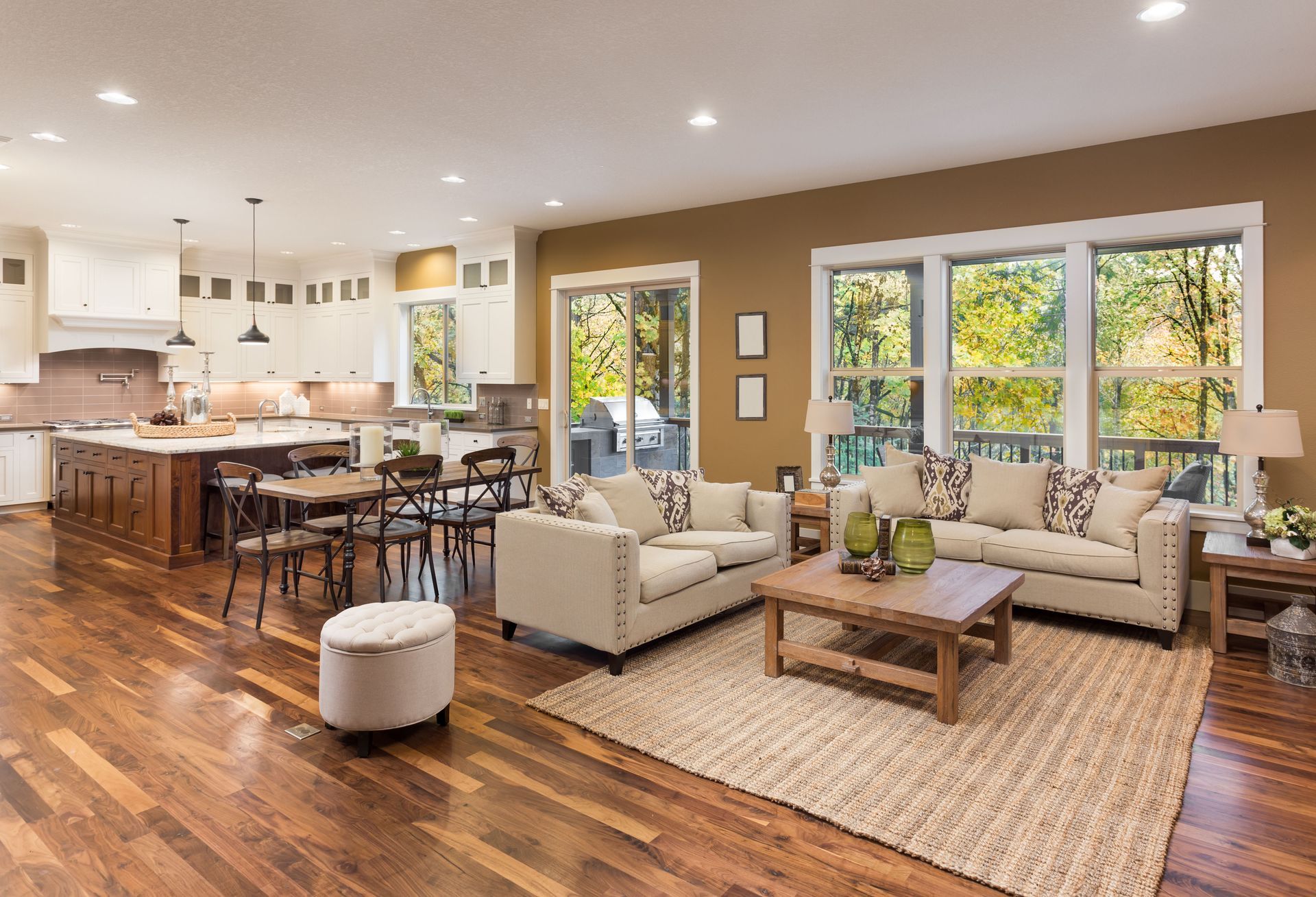
One of the first things homeowners prioritize during custom home renovation projects is improved functionality. Families want layouts that simplify daily routines, reduce clutter, and allow spaces to feel more connected without sacrificing privacy. Open-concept living areas remain popular, but many homeowners now prefer subtle separation between spaces through islands, partial walls, built-in shelving, or sliding doors that create flexibility when needed.
Storage solutions are also considered essential rather than optional. Homeowners frequently request walk-in pantries, mudrooms with organized cabinetry, hidden appliance garages, and custom closet systems that maximize every square foot. These additions make homes easier to maintain while helping residents avoid the visual chaos that often develops in busy households.
Another expectation tied to functionality is traffic flow throughout the home. Families want spaces that accommodate entertaining, children, pets, and remote work without creating congestion or frustration. Because of this, custom home remodeling often involves widening pathways, improving kitchen layouts, and redesigning entry points to create smoother movement between rooms.
Practicality now influences material choices as well. Homeowners increasingly select flooring, countertops, and fixtures that can withstand wear while remaining visually appealing for years. Durable quartz surfaces, scratch-resistant flooring, and easy-to-clean finishes that last without requiring intense upkeep are favored because they support long-term convenience without compromising aesthetics.
2. Efficiency
Energy efficiency has become a major expectation among homeowners planning renovations. Rising utility costs and increased environmental awareness have motivated many families to invest in upgrades that reduce monthly expenses while improving indoor comfort. Smart insulation, upgraded windows, high-efficiency HVAC systems, and energy-saving appliances are now viewed as worthwhile investments rather than luxury additions.
Budget awareness also plays a significant role in decision-making during custom home remodeling projects. Many homeowners carefully evaluate whether upgrades will deliver meaningful long-term value before committing to large expenses. According to Fixr, homeowners are generally advised to keep renovation spending below roughly 30% of the property’s value in order to protect potential return on investment.
Lighting design has also evolved into a key component of efficiency planning. Homeowners want layered lighting systems that combine natural light, task lighting, and ambient illumination to create adaptable environments throughout the day. Larger windows, skylights, and strategically placed fixtures not only improve visibility but also help spaces feel more welcoming and energy-conscious.
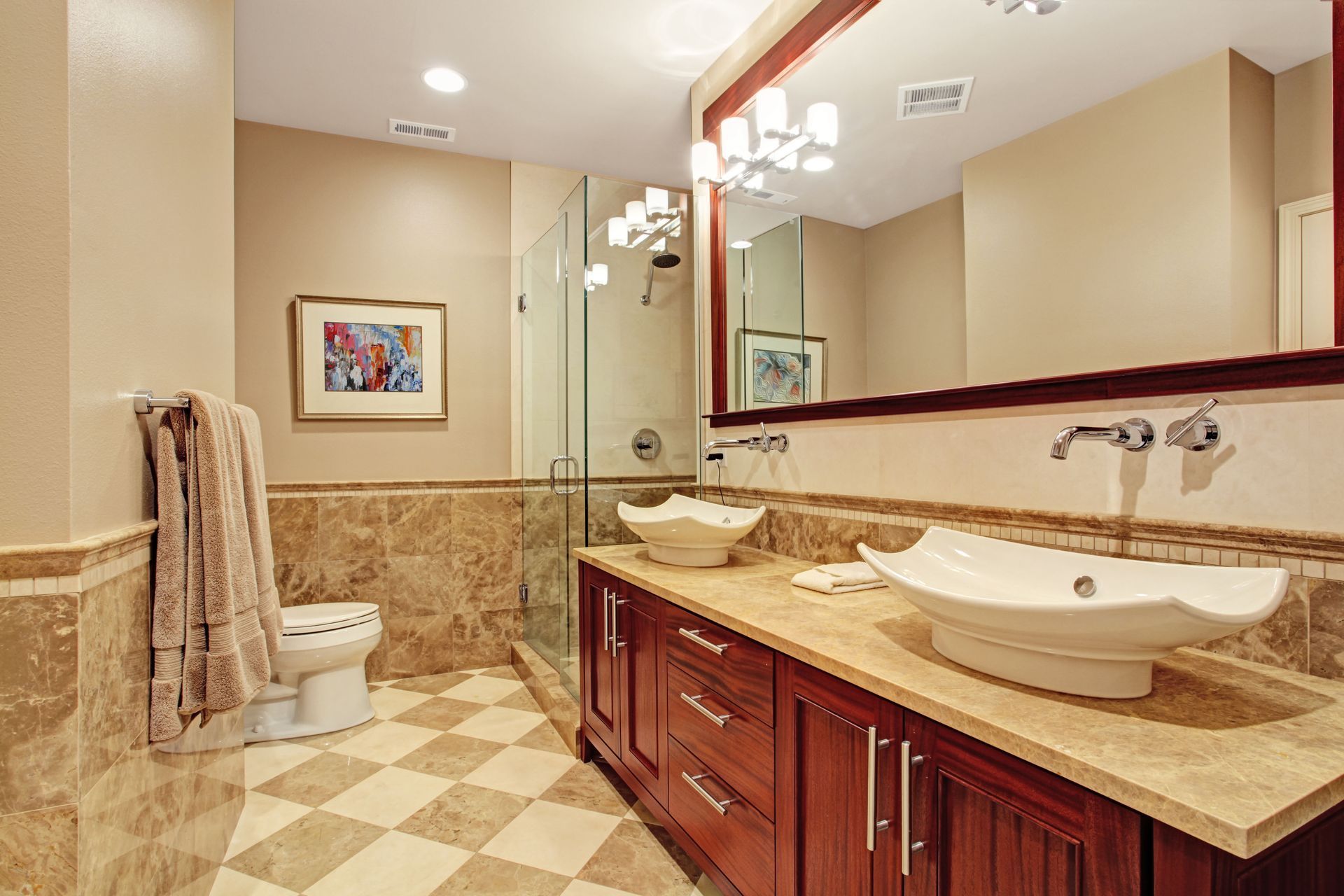
Water conservation features are becoming increasingly common as well. Renovated bathrooms and kitchens often include low-flow plumbing fixtures, touchless faucets, and water-efficient appliances that support sustainability goals. These improvements appeal to homeowners who want practical solutions that align with both environmental responsibility and financial savings.
3. Flexibility
Flexibility has become one of the defining characteristics homeowners expect from modern renovation projects. Spaces that once served a single purpose are now expected to adapt to changing lifestyles, work schedules, and family dynamics. This demand for versatility has significantly influenced how designers and contractors approach custom home remodeling in both large and small homes.
Home offices remain one of the most requested additions because remote and hybrid work arrangements continue to shape household needs. Homeowners often seek quiet workspaces with sound insulation, strong lighting, and built-in storage that can remain productive without disrupting the rest of the household. At the same time, many families want these spaces to convert easily into guest rooms, hobby rooms, or study areas when needed.
Multi-generational living has also become more common, increasing demand for flexible layouts that accommodate aging parents or adult children. Renovations frequently include first-floor suites, accessible bathrooms, wider doorways, and private entrances that allow family members to maintain independence while remaining connected. These thoughtful adjustments improve long-term livability and help homeowners prepare for future changes.
Outdoor living spaces now receive the same level of attention once reserved for interior rooms. Covered patios, outdoor kitchens, fire features, and weather-resistant seating areas are designed to support year-round use whenever possible. Homeowners increasingly view outdoor spaces as valuable extensions of their homes rather than secondary gathering areas.
4. Technology
Technology integration has become a standard expectation instead of a specialized upgrade. During custom home remodeling projects, homeowners often request systems that improve convenience, security, and energy management without making the home feel overly complicated. Smart thermostats, app-controlled lighting, automated blinds, and integrated security systems help residents manage their homes more efficiently while enhancing everyday comfort.
Kitchen technology has become especially influential in renovation planning. Many homeowners want appliances with smart connectivity, charging stations hidden within cabinetry, and touch-free fixtures that improve convenience during cooking and cleanup. These additions support modern lifestyles while helping kitchens remain highly functional gathering spaces for both daily use and entertaining.
Entertainment systems are also receiving greater attention in home upgrades. Families frequently request built-in speakers, hidden wiring, and media walls that create cleaner, more organized living spaces. Rather than relying on bulky electronics and exposed cords, homeowners now expect technology to blend seamlessly into the overall design.
Wellness-focused features have emerged as another major trend tied to technology and comfort. Air purification systems, humidity control, circadian lighting, and spa-inspired bathrooms are increasingly incorporated into renovation plans because homeowners want environments that support physical and mental well-being. Custom home remodeling has evolved beyond appearance alone and now emphasizes how a home contributes to everyday quality of life.
Homeowners additionally expect technology to remain adaptable over time. Builders and designers are increasingly installing infrastructure that allows future upgrades without requiring major reconstruction later. This forward-thinking approach helps families protect their investment while keeping their homes compatible with evolving innovations.
Today’s homeowners expect renovation projects to deliver far more than updated finishes or temporary visual appeal. They want homes that improve functionality, efficiency, flexibility, comfort, and long-term livability while supporting the evolving needs of modern family life. Successful custom home remodeling projects accomplish these goals by balancing smart planning with durable design choices that continue providing value for years to come.
Investing in thoughtful renovations allows homeowners to create spaces that feel more personalized, adaptable, and valuable over time. From energy-efficient upgrades to flexible layouts and integrated technology, the features people prioritize today reflect a desire for homes that support both convenience and long-term comfort. When
custom home remodeling is approached with clear goals and strategic planning, it can dramatically improve both everyday living and overall property appeal.
We at Nordic Builders understand that homeowners want renovation solutions tailored to both their current lifestyle and their future plans. Our team focuses on creating practical, high-quality spaces that combine thoughtful design with long-lasting craftsmanship. Contact us today to discuss how your next renovation project can transform your home into a more functional and personalized living environment.